Archives
- 2026-08
- 2026-07
- 2026-06
- 2026-05
- 2026-04
- 2026-03
- 2026-02
- 2026-01
- 2025-12
- 2025-11
- 2025-10
- 2025-09
- 2025-03
- 2025-02
- 2025-01
- 2024-12
- 2024-11
- 2024-10
- 2024-09
- 2024-08
- 2024-07
- 2024-06
- 2024-05
- 2024-04
- 2024-03
- 2024-02
- 2024-01
- 2023-12
- 2023-11
- 2023-10
- 2023-09
- 2023-08
- 2023-07
- 2023-06
- 2023-05
- 2023-04
- 2023-03
- 2023-02
- 2023-01
- 2022-12
- 2022-11
- 2022-10
- 2022-09
- 2022-08
- 2022-07
- 2022-06
- 2022-05
- 2022-04
- 2022-03
- 2022-02
- 2022-01
- 2021-12
- 2021-11
- 2021-10
- 2021-09
- 2021-08
- 2021-07
- 2021-06
- 2021-05
- 2021-04
- 2021-03
- 2021-02
- 2021-01
- 2020-12
- 2020-11
- 2020-10
- 2020-09
- 2020-08
- 2020-07
- 2020-06
- 2020-05
- 2020-04
- 2020-03
- 2020-02
- 2020-01
- 2019-12
- 2019-11
- 2019-10
- 2019-09
- 2019-08
- 2019-07
- 2019-06
- 2019-05
- 2019-04
- 2018-07
-
br E intracellular localization br Regulation of E by other
2020-04-20
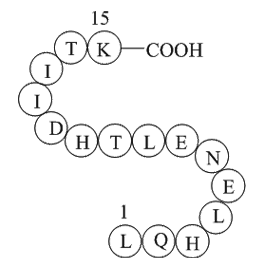
E1 intracellular localization Regulation of E1 by other post-translational modifications Concluding remarks Acknowledgments We apologize to those whose work was not included because of space considerations or whose papers were unintentionally omitted. We thank Dr Peter Bullock (Tufts Uni
-
br Enzymes involved in microbial steroid degradation are gen
2020-04-20
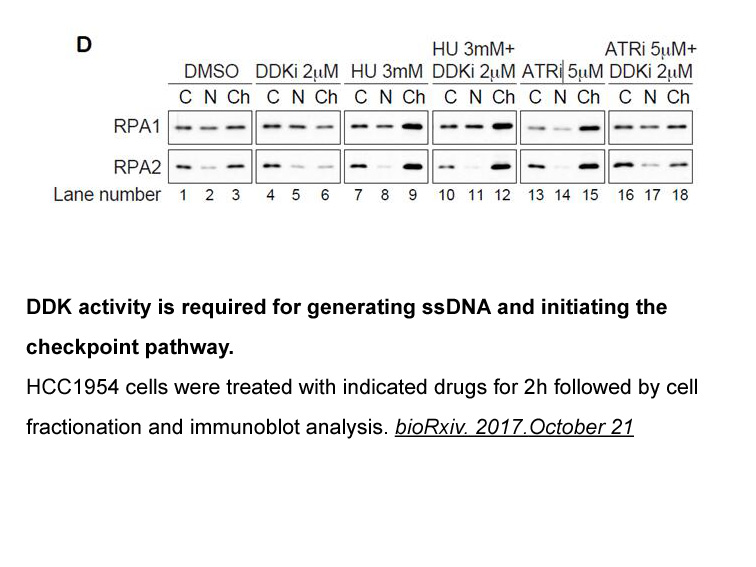
Enzymes involved in microbial steroid degradation are generally not expressed constitutively, but they are upregulated depending on which steroid substrates are present [17,81]. Thus, a cell-free extract prepared from testosterone-adapted C. testosteroni ATCC 11996 cells displayed a 1(2)-dehydroge
-
br Four active site residues
2020-04-20
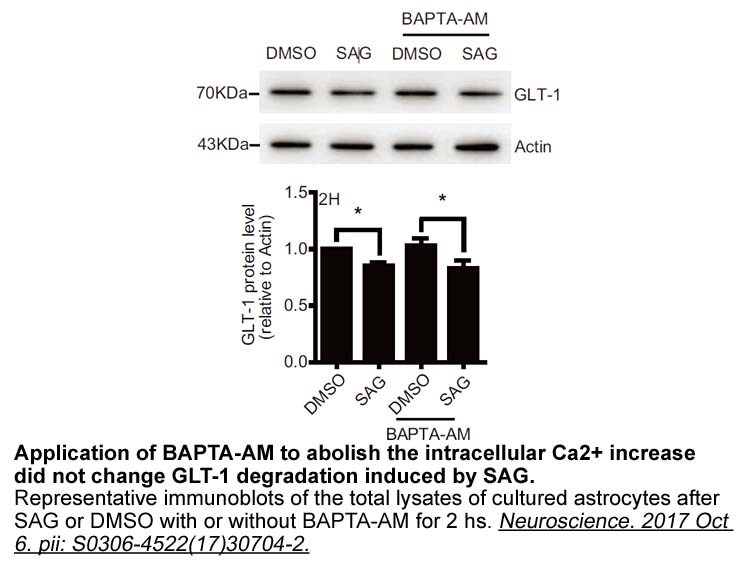
Four active site residues of Δ1-KSTD1 are fully conserved in Δ1-KSTDs from different species (Supplementary Figure S2). These residues are Tyr-119, Tyr-487, and Gly-491 from the FAD-binding domain and Tyr-318 from the catalytic domain. The structure of the Δ1-KSTD1•ADD complex revealed that the hy
-
br Nuclear export and the functions of CRM The nuclear
2020-04-20
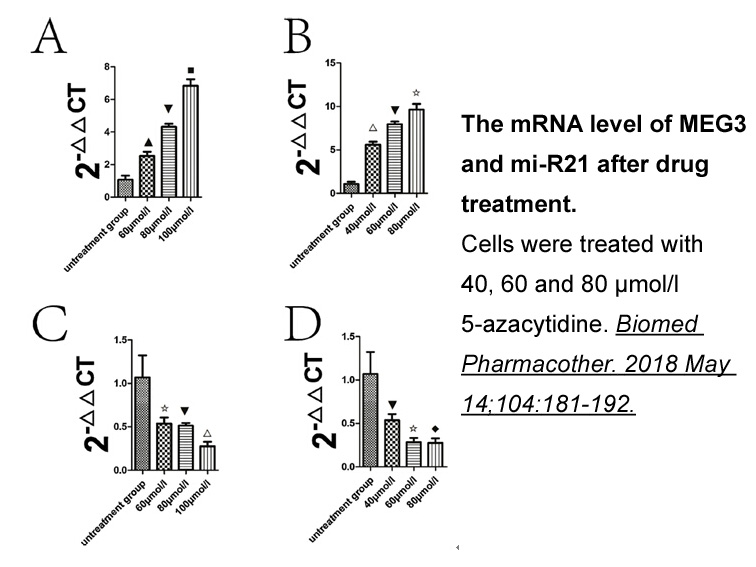
Nuclear export and the functions of CRM1 The nuclear envelope provides a compartmentalized intracellular environment for DNA replication, the synthesis of RNA, and production of ribosomes, and, as such, it can regulate cellular biological processes including apoptosis and proliferation. Nucleocyt
-
br Chemistry The test compounds
2020-04-18
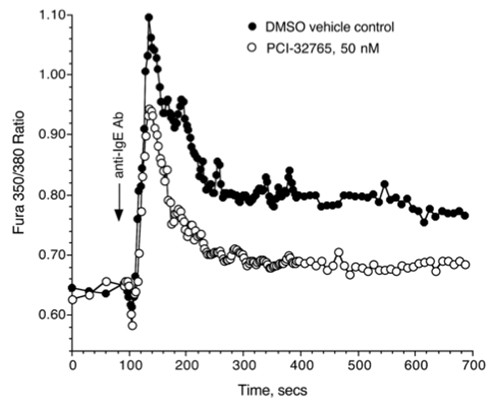
Chemistry The test compounds listed in Table 1, Table 2, Table 3, Table 4, Table 5, were synthesized as outlined in Scheme 1, Scheme 2, Scheme 3, Scheme 4, Scheme 5. Synthesis of 2–5 is described in Scheme 1. N-Sulfonylation of the aniline 26 with benzenesulfonyl chloride afforded the sulfonamid
-
In plants SUMOylation has been shown
2020-04-17
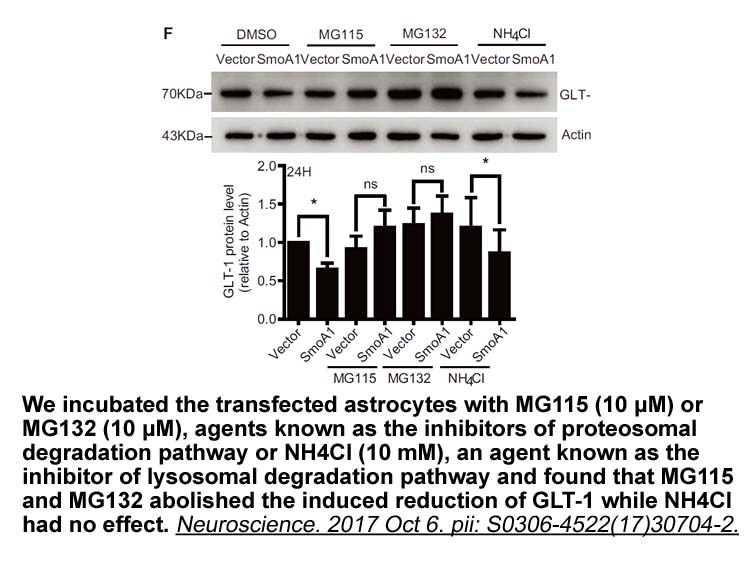
In plants, SUMOylation has been shown to modulate plant hormone signaling (Lois et al., 2003, Miura et al., 2009, Conti et al., 2014), root stem cell maintenance (Xu et al., 2013), and responses to abiotic and biotic stress (Lois, 2010). Many of the plant biological processes regulated by SUMOylatio
-
All components of the UPP were predicted to be susceptible
2020-04-17

All components of the UPP were predicted to be susceptible to oxidative stress due to the cysteine residues in their active sites [36]. Curcusone D inhibits DUBs but has no significant effect on the action of E1, E2s, E3s, or the proteasome, which indicates that the targets of the ROS induced by cur
-
STRING protein interactions were used to
2020-04-17
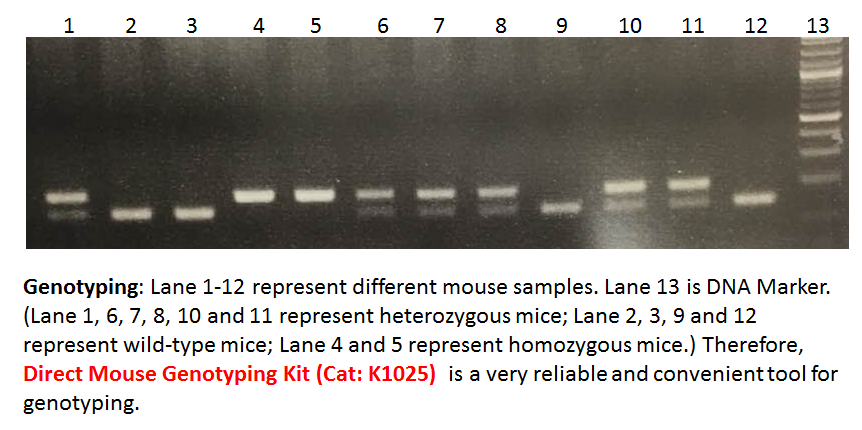
STRING protein interactions were used to highlight enzymes directly associated with DHODH (Fig. 10) (Szklarczyk et al., 2015). The reported protein-protein associations are primarily within the de novo nucleotide synthesis pathways (CAD, carbamoyl phosphate synthetase 1, uridine monophosphate synthe
-
For the SAR optimization of the right hand side
2020-04-17
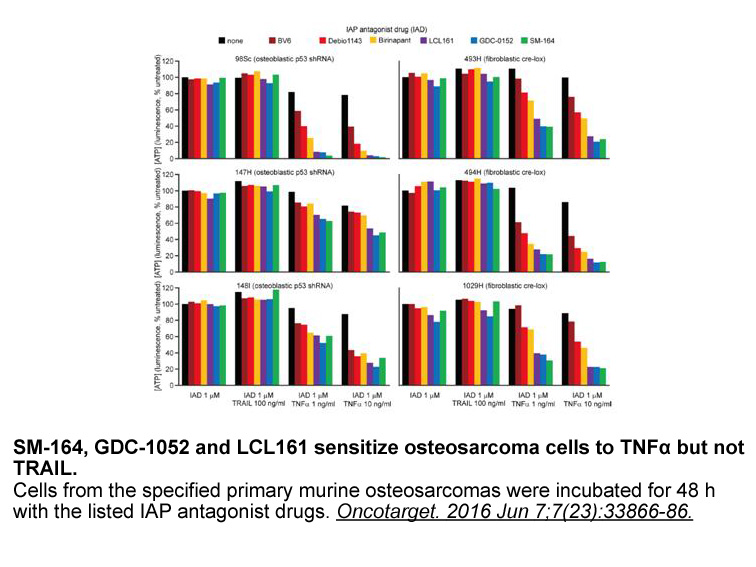
For the SAR optimization of the right hand side, it was decided to explore the inclusion of the key carboxylic SR 1555 hydrochloride sale moiety present in the original DGAT-1 inhibitors from . Analogs were constructed by the synthetic routes outlined in , . In , the methylene-oxy linker was introd
-
GS-9350 receptor br Materials and methods br Results br
2020-04-17
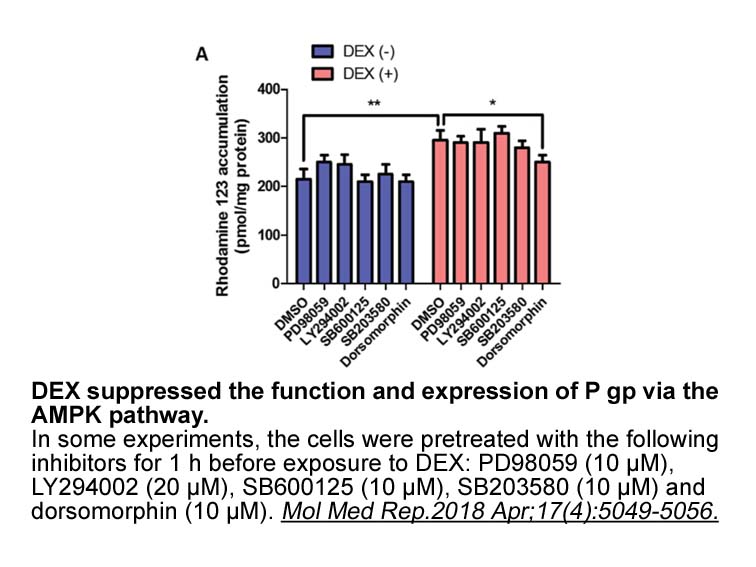
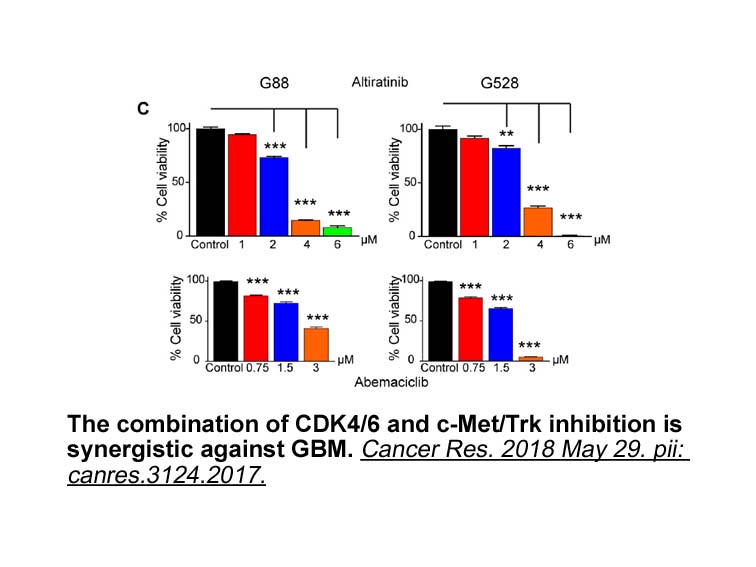
Materials and methods Results Discussion CDK4 has been identified recently as a potential therapeutic target in human breast cancer, liposarcoma, melanoma, and glioblastoma [[37], [38], [39]]. Due to the importance of CDK4 activity in cancer cells, CDK4 inhibitors have emerged as promising
-
Most data regarding fish CXCR
2020-04-17
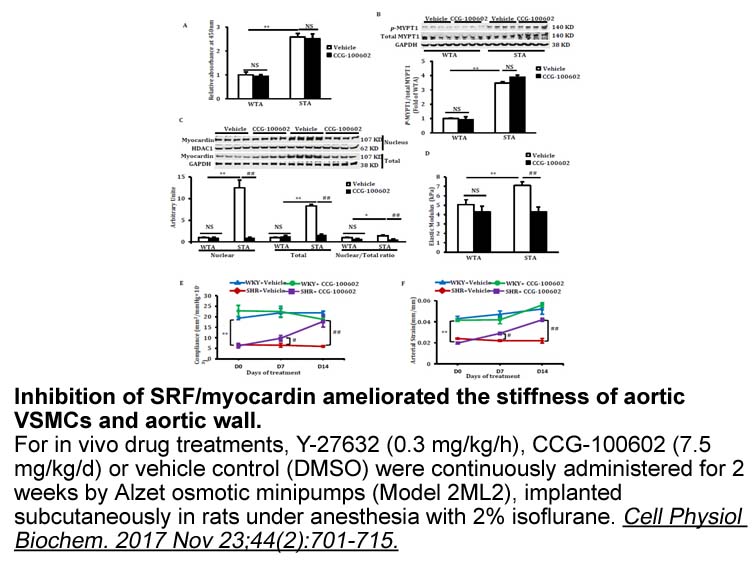
Most data regarding fish CXCR4 functions have accumulated from work in zebrafish where a range of genetic tools and imaging technologies have been developed. As mentioned above, in teleost fish the two CXCR4s (CXCR4a and 4b) are assumed to interact with two ligands (CXCL12a and 12b) and this differe
-
Soluble receptors have been shown
2020-04-17
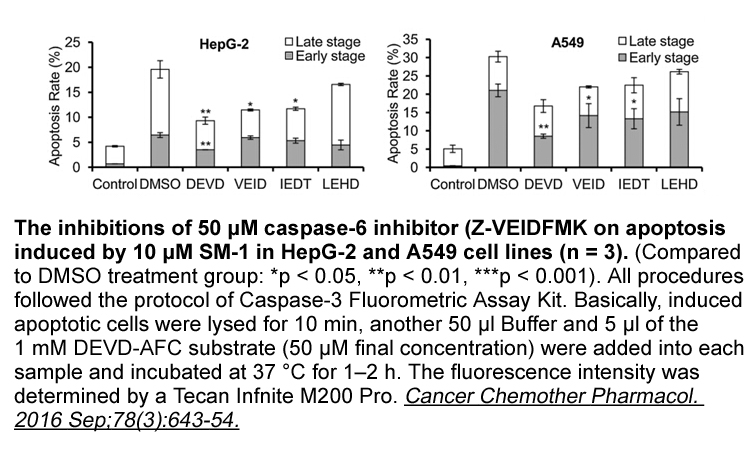
Soluble receptors have been shown to be important and common regulators of many cytokines within the immune system, including IL-1, IL-6, IFNγ, TNF-α, GM-CSF, G-CSF and others (Fernandez-Botran, 1991, Heaney, Golde, 1998). We previously described a novel soluble receptor, sCSF-1R, that to date has o
-
br Acknowledgements We thank Jeus Perez
2020-04-17
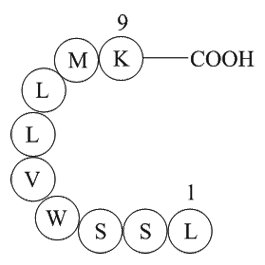
Acknowledgements We thank Jeus Perez-Clausell from the Department of Cell Biology, School of Biology, University of Barcelona, Felipe Casanueva\'s group from the Department of Molecular Endocrinology and Carlos Diéguez\'s group from the Department of Physiology, School of Medicine, University of
-
BAF312 australia Khan et al investigatedAnomalin a pyranocou
2020-04-17
Khan et al. investigatedAnomalin 44, a pyranocoumarin constituent of S. divaricata, which exhibits potent anti-inflammatory activity. The anomalin 44 dose-dependently inhibited inducible nitric oxide synthase (iNOS) and cyclooxygenase-2 (COX-2) mRNA and protein expression in LPS-stimulated RAW 264.7
-
Not all of the biological
2020-04-17
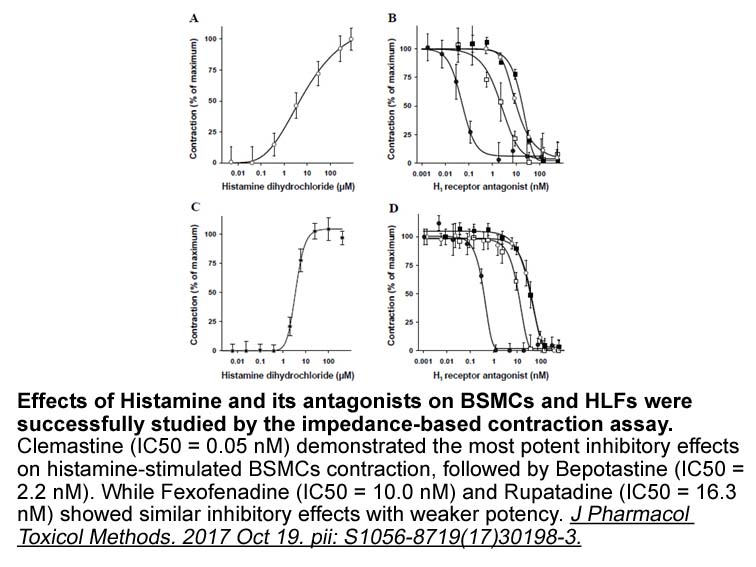
Not all of the biological activities exhibited by progestogens (Table 1) are mediated via binding to SRs. For example, the anti-estrogenic action of progestogens in the Caspase-4 Colorimetric Assay Kit australia is due to the progestogen-bound PR suppressing ER gene expression, and consequently the
16551 records 912/1104 page Previous Next First page 上5页 911912913914915 下5页 Last page