Archives
- 2026-06
- 2026-05
- 2026-04
- 2026-03
- 2026-02
- 2026-01
- 2025-12
- 2025-11
- 2025-10
- 2025-09
- 2025-03
- 2025-02
- 2025-01
- 2024-12
- 2024-11
- 2024-10
- 2024-09
- 2024-08
- 2024-07
- 2024-06
- 2024-05
- 2024-04
- 2024-03
- 2024-02
- 2024-01
- 2023-12
- 2023-11
- 2023-10
- 2023-09
- 2023-08
- 2023-07
- 2023-06
- 2023-05
- 2023-04
- 2023-03
- 2023-02
- 2023-01
- 2022-12
- 2022-11
- 2022-10
- 2022-09
- 2022-08
- 2022-07
- 2022-06
- 2022-05
- 2022-04
- 2022-03
- 2022-02
- 2022-01
- 2021-12
- 2021-11
- 2021-10
- 2021-09
- 2021-08
- 2021-07
- 2021-06
- 2021-05
- 2021-04
- 2021-03
- 2021-02
- 2021-01
- 2020-12
- 2020-11
- 2020-10
- 2020-09
- 2020-08
- 2020-07
- 2020-06
- 2020-05
- 2020-04
- 2020-03
- 2020-02
- 2020-01
- 2019-12
- 2019-11
- 2019-10
- 2019-09
- 2019-08
- 2019-07
- 2019-06
- 2019-05
- 2019-04
- 2018-07
-
Although mature fibrils formed from
2023-04-12

Although mature fibrils formed from Aβ Bestatin hydrochloride have long been thought to be the main neurodegenerative agents in AD, recent evidence suggests that soluble multimers of these pathogenic proteins, referred to here as “oligomers,” may initiate the synaptic and neuronal dysfunction assoc
-
Because of the critical roles played by AMPK in energy
2023-04-12
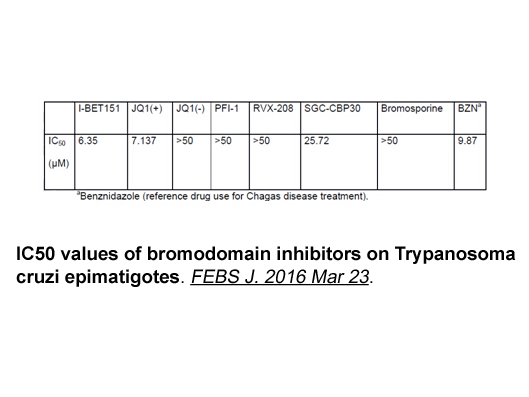
Because of the critical roles played by AMPK in energy sensing and cancer cell survival, a huge number of drugs have been proposed to exert their pharmacological effects by means of AMPK activation (Kim and He, 2013). For example, metformin has been shown to activate AMPK in muscle (Sajan et al., 20
-
Increasing evidence indicates that ILCs participate in a
2023-04-11
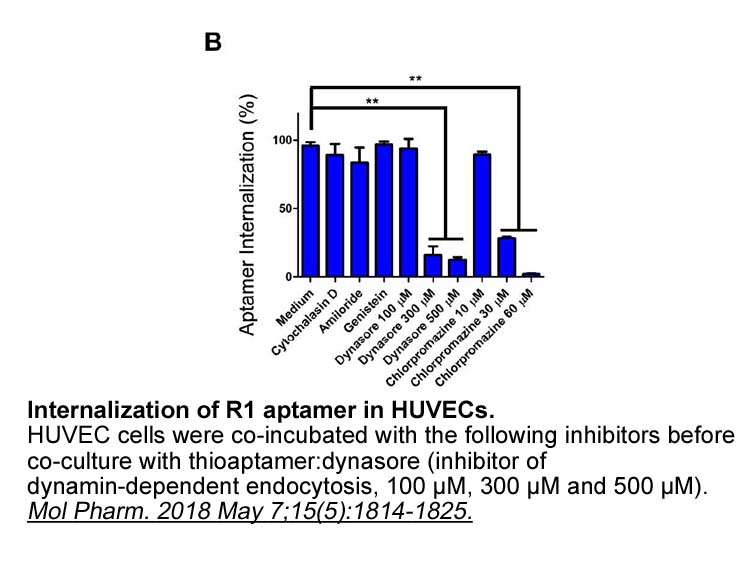
Increasing evidence indicates that ILCs participate in a dialog with CD4+ T Histamine Phosphate [107–110]. This dialog is mediated, in part, through the expression of type II major histocompatibility complex (MHCII) molecules on ILC3s [107]. Depending on the expression of co-stimulatory molecules, M
-
A rate limiting step in the
2023-04-11
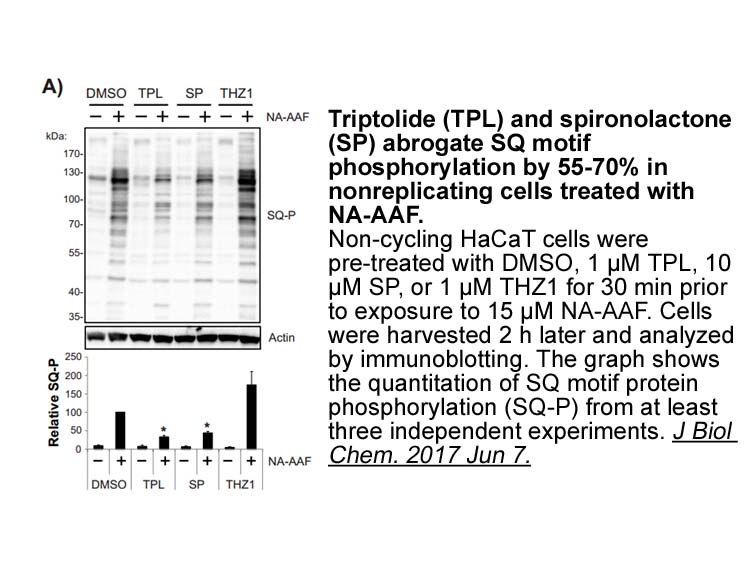
A rate-limiting step in the generation of kynurenine and xanthurenic Fenofibric acid is the oxidation of N-formyl-kynurenine to l-kynurenine via indolamine 2,3-dioxygenase (IDO) or tryptophan dioxygenase (TDO). IDO and/or TDO knockdown decreases and ectopic over-expression increases production of e
-
We have previously shown that the human gonadotropins hLH an
2023-04-11
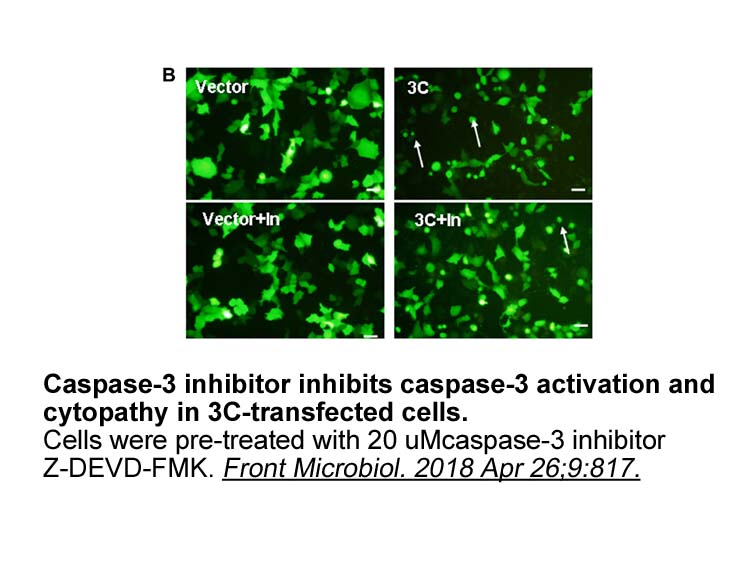
We have previously shown that the human gonadotropins hLH and hCG trigger a partly irreversible stimulation of intracellular cyclic AMP accumulation in mouse Leydig Tumor cytidine (MLTC) in contrast to all other tested mammalian LHs and CG (Klett et al., 2016). In order to get a better insight in t
-
br Perspectives and challenges Previously the main focus of
2023-04-11
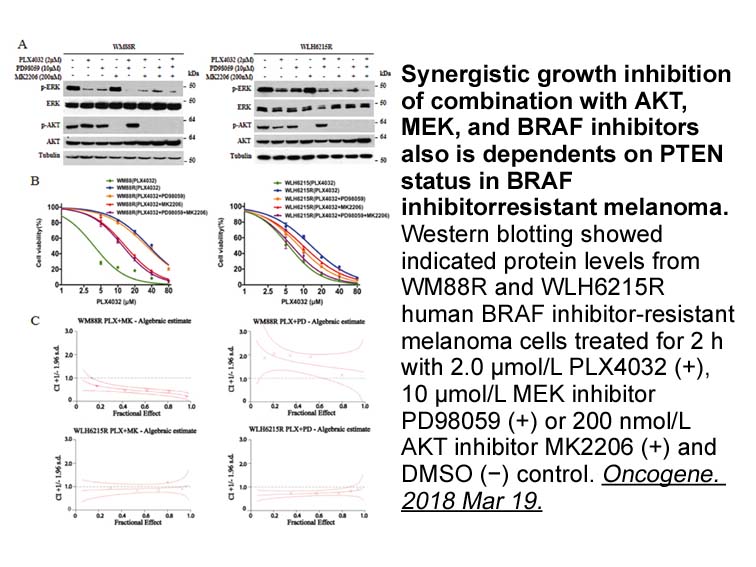
Perspectives and challenges Previously, the main focus of development of adenosine targets for pain was on A1Rs, due to prominent antinociception in multiple preclinical models and preliminary observations in human trials. However, delivery of agonists can be limited by other (e.g. cardiovascular
-
br Acknowledgement This work was
2023-04-11
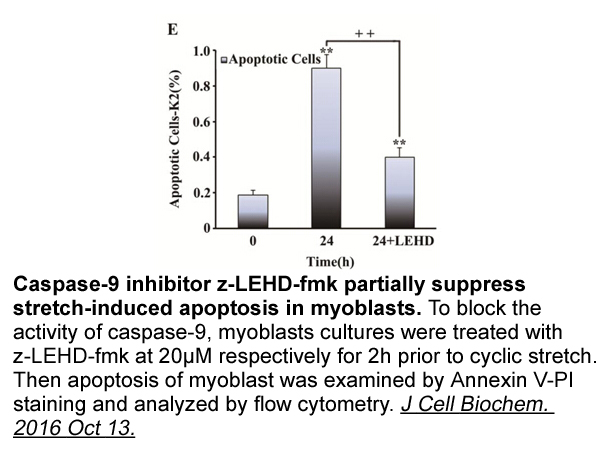
Acknowledgement This work was supported by grants from the American Heart Association Scientist Development Grant (SDG) to A. Elmarakby and 1R01EY023315-01 award to M. Al-Shabrawey. Introduction Inflammatory response is the result of a complex interaction between immune cddo and several solu
-
Several studies have recently used optogenetics to selective
2023-04-11
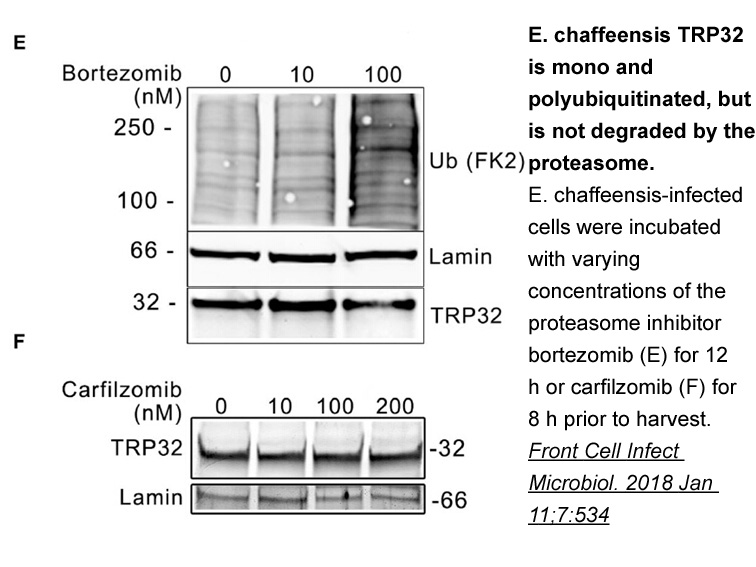
Several studies have recently used optogenetics to selectively activate various cholinergic neurons (Jiang et al., 2014). However, most do not explicitly report direct release of GABA from cholinergic fibers, with the exception of our two studies described above (Saunders et al., 2015a, Saunders et
-
In the final set of experiments the
2023-04-11
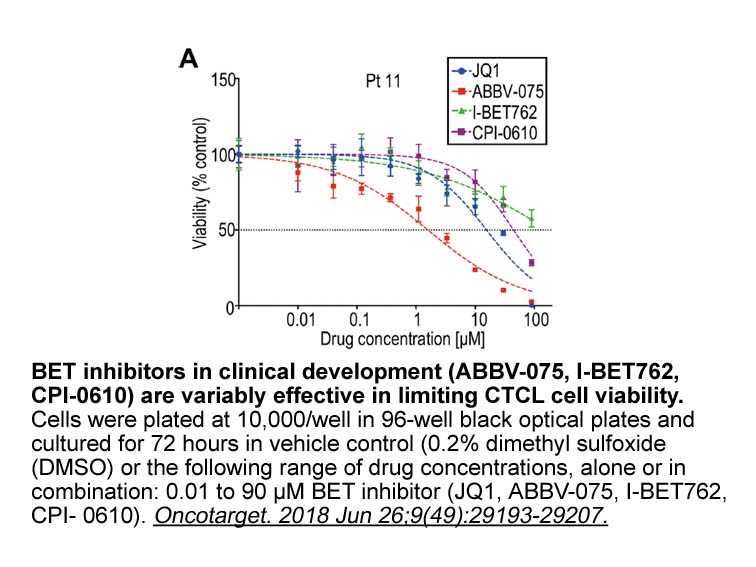
In the final set of experiments, the dependence of the reaction rate on viscosity was determined. The experimental protocol previously used to study the reaction of LOX with AA was used., Reactions of 5-LOX and AA were carried out at different relative viscosities in Tris buffer (25mM, pH 8.0) at 2
-
However although in vitro studies in heterologous systems
2023-04-11
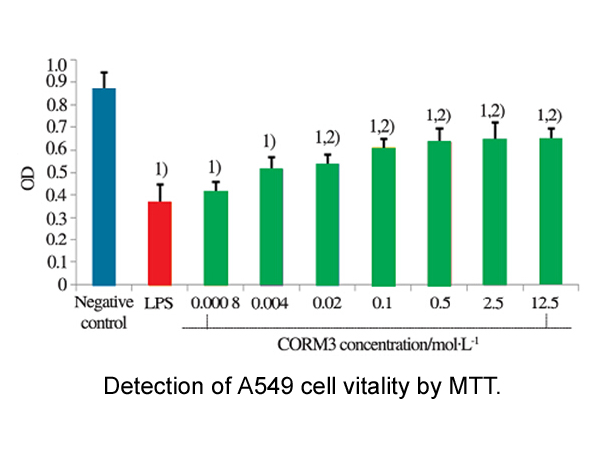
However, although in vitro studies in heterologous systems have provided very important indications of potential novel pharmacology, the studies with endogenous receptors in native tissues are essential to provide evidence for GPCR heteromerization in vivo and to confirm its physiological relevance.
-
rs G allele was previously associated with a
2023-04-11
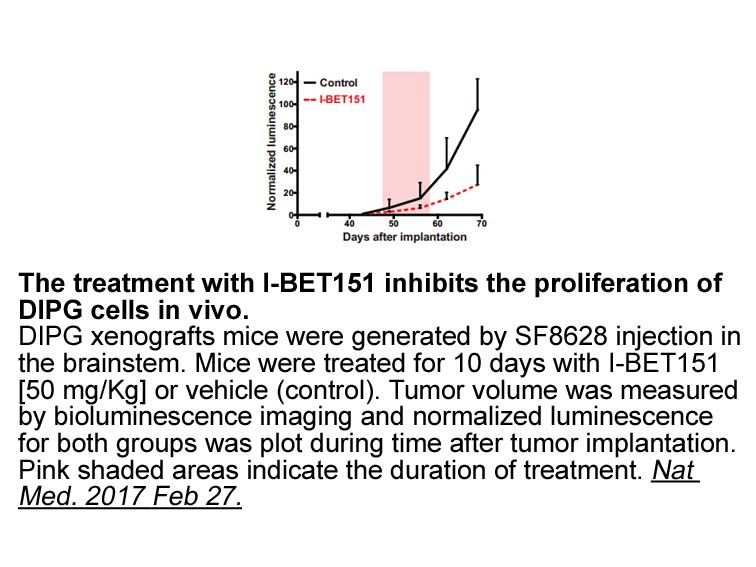
rs523349 G allele was previously associated with a decrease in the conversion rate of testosterone to DHT (Beesley et al., 2007). This SRDA52 variant may have a trend towards higher testosterone availability, which according to the US Food and Drug Administration is described as a teratogen of categ
-
Introduction Dementia is a common
2023-04-11
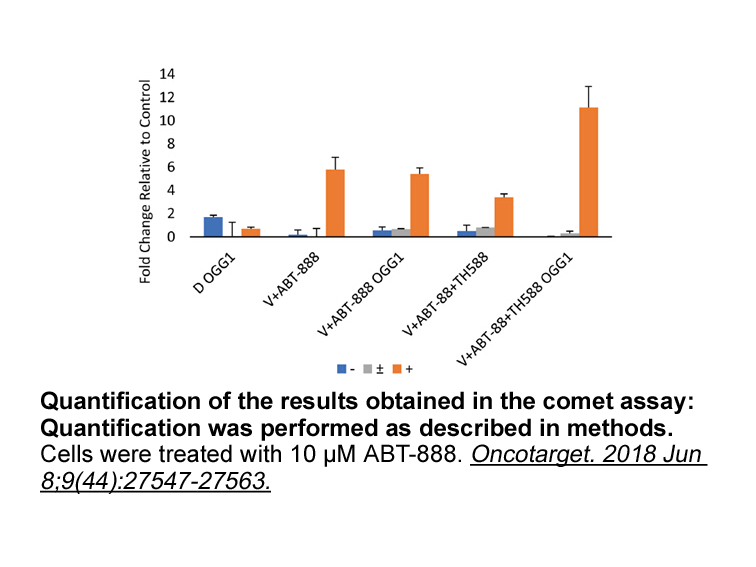
Introduction Dementia is a common disease in the elderly, and a significant source of disability, healthcare spending, and long-term care admissions. There is evidence to suggest that testosterone plays a role in cognitive functioning, and lower serum levels correlate with higher amyloid deposits (
-
br Clinical realities br Commentary
2023-04-11

Clinical realities Commentary on uses of selective 17,20 lyase inhibitors If continued monitoring of these same parameters along with tracking of circulating ACTH in human trials confirms these new drugs are the long sought after 17,20 lyase inhibitors, then we may for the first time be able t
-
br Experimental section br Competing interests br Author s
2023-04-11
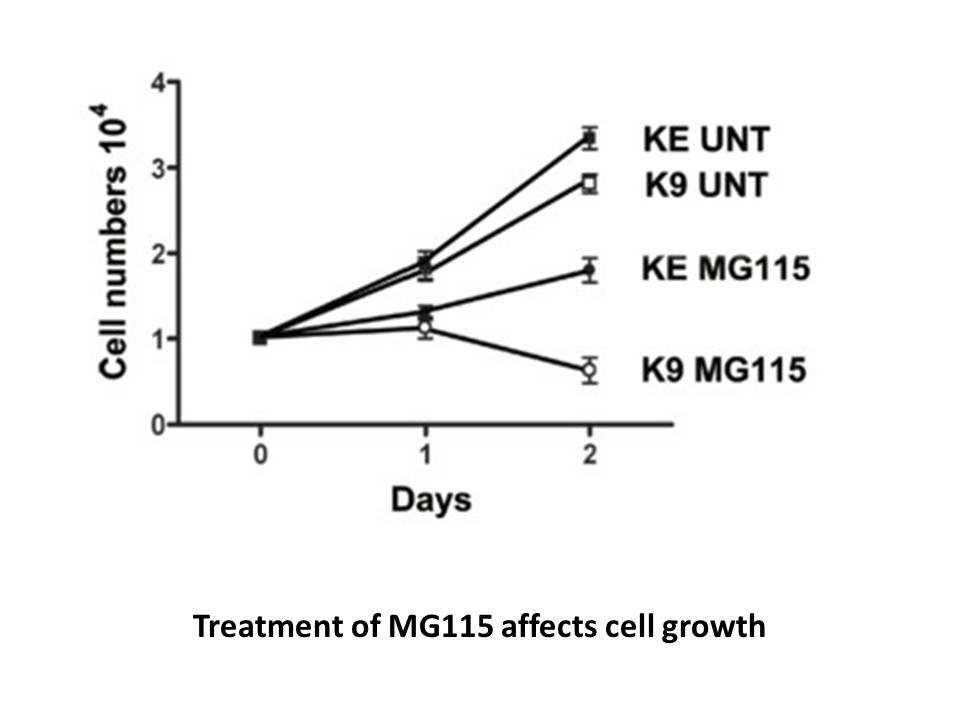
Experimental section Competing interests Author's contributions Acknowledgement This research is partially supported by a seed fund for the Center for Drug Discovery and Translational Research (LS) and a research grant by Fujifilm (VPS and LS). The Sponsors played no roles in study desig
-
A large number of studies have shown that
2023-04-11
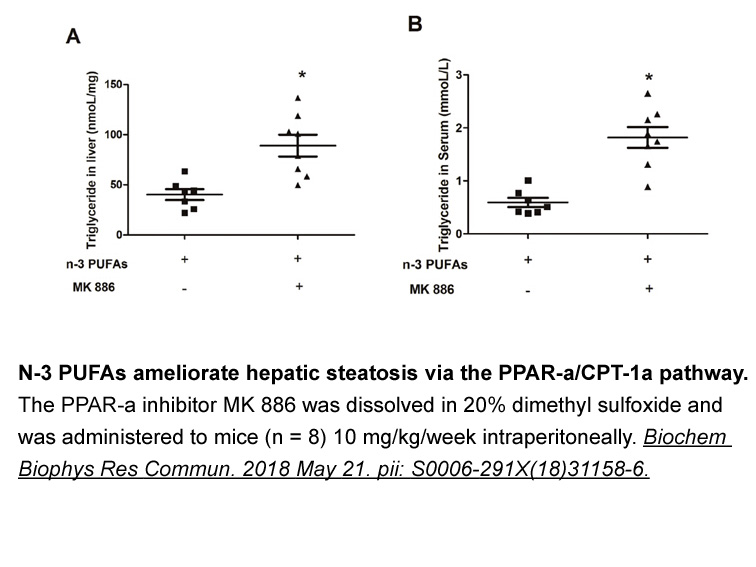
A large number of studies have shown that oxidative stress is involved in the pathophysiological process of ventricular remodeling and is associated with left ventricular dysfunction (Hori and Nishida, 2009, Lord et al., 2010). The generation of reactive oxygen species (ROS) that exceeds anti-oxidat
16455 records 369/1097 page Previous Next First page 上5页 366367368369370 下5页 Last page